
Cambly Review 2026: Real Tutor Pay, Schedule Flexibility, and Whether It's Worth Your Time

20 per hour for conversation practice with international students. No degree, certification, or teaching experience is required.

Disclosure: This post may contain affiliate links. As an Amazon Associate, we earn from qualifying purchases. This comes at no extra cost to you. Read our privacy policy for more information.
Want to Make Extra Money Now?
Earn up to $50 per survey with the #1 survey site.
Get paid for surveys, videos & shopping online.
Connect your gaming accounts and earn rewards for playing the games you already love.
Get paid for sharing your opinion with top brands.
Cambly is a legitimate online English tutoring platform that pays native speakers $10.20 per hour for conversation practice with international students. No degree, certification, or teaching experience is required.
It works best as a flexible side income source rather than a full-time career, with most active tutors pulling in $200 to $800 monthly.
Why Cambly Keeps Attracting New Tutors
The online language learning market crossed $25 billion in value last year, and platforms like Cambly sit at the intersection of two growing trends. More people worldwide want to speak English fluently, and more native speakers want flexible remote work that doesn’t require a specialized degree.
Cambly fills that gap by eliminating nearly every traditional barrier to becoming an English tutor. You don’t need a teaching license, a TEFL certificate, a college degree, or even prior experience working with language learners.
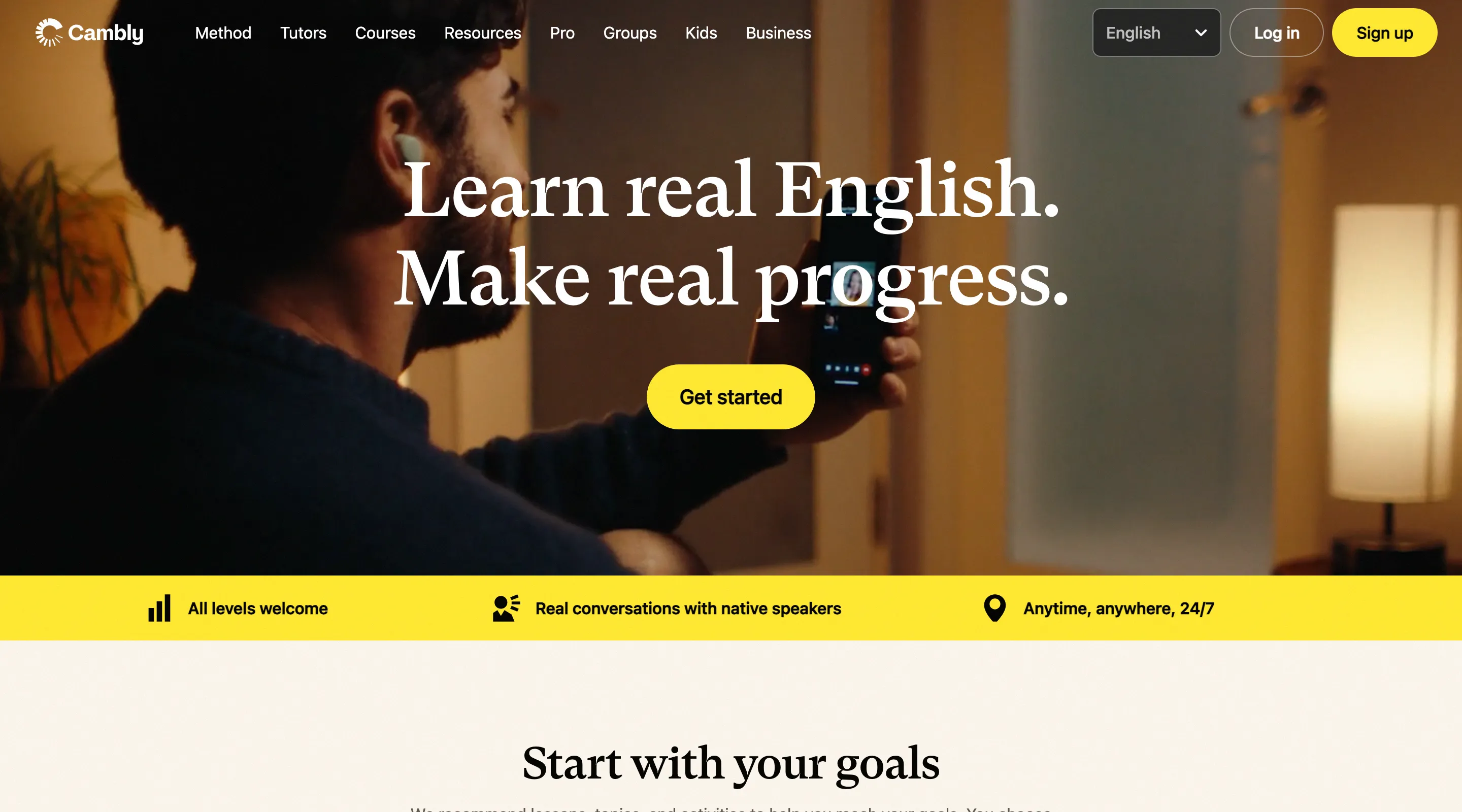
That low barrier to entry raises an obvious question, though. If anyone can sign up, does the pay actually justify the time?
This review breaks that question down with specific numbers, real scheduling data, and an honest comparison against competing platforms that might pay more for your skill level.
How Cambly Works for Tutors
In short, Cambly is a video-based ESL conversation platform where tutors get paid to chat with English learners. There are no lesson plans to write and no grading involved.
Cambly connects native English speakers with learners from over 130 countries through live one-on-one video calls. It handles everything from student acquisition to payment processing, so tutors can focus entirely on conducting sessions.
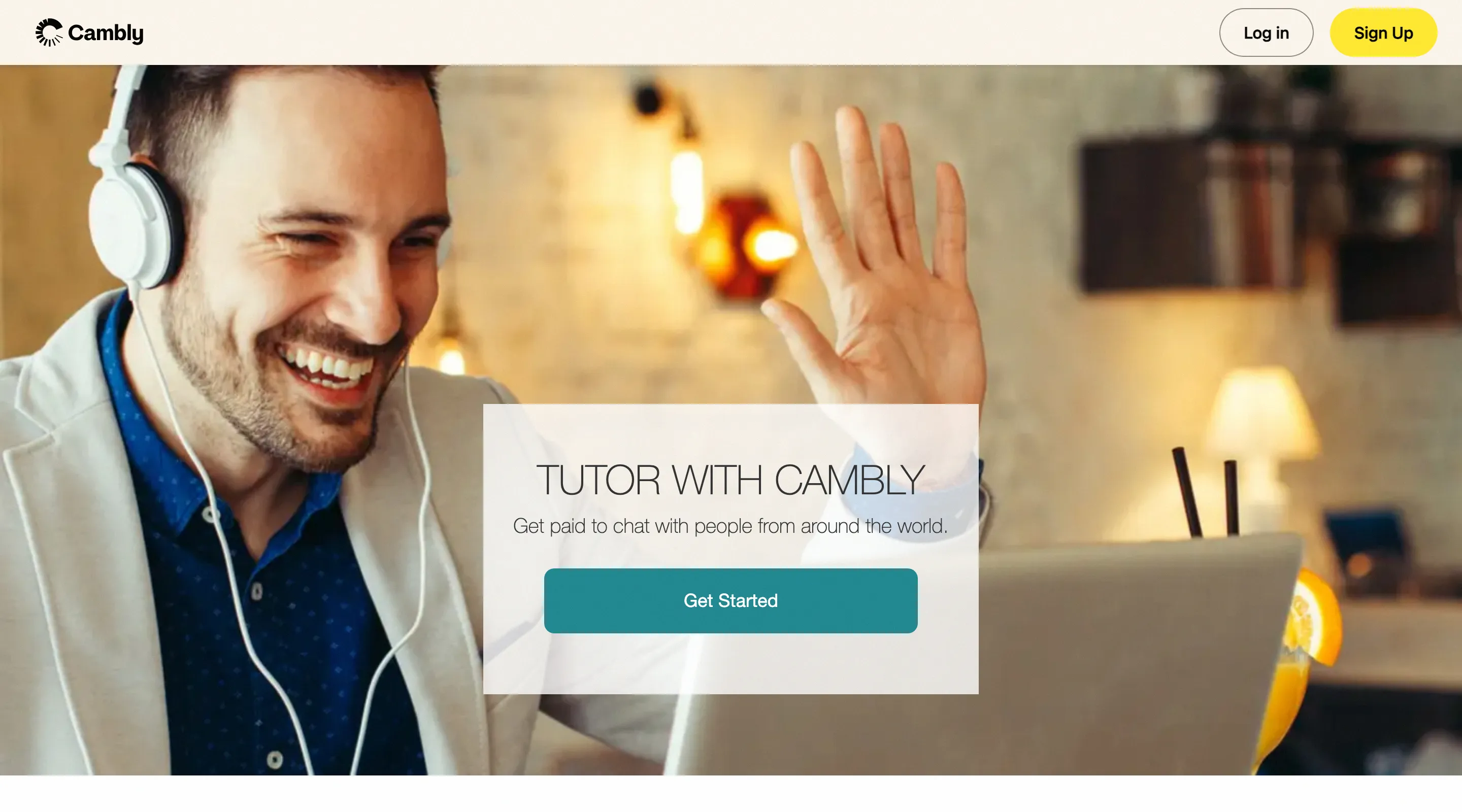
Everything runs through the Cambly interface via web browser or mobile app. Built-in tools include video chat, a text messaging sidebar, a digital whiteboard, and an automatic translation feature for communicating with beginners.
Unlike traditional ESL teaching platforms that assign curricula and expect formal lesson planning, Cambly primarily facilitates casual English conversation practice. Students pick you from a pool of available tutors based on your profile, introduction video, and any listed specialties.
The Three Cambly Products
Cambly runs three distinct services under one umbrella, and you can teach on any or all of them at the same time.
Standard Cambly connects you with adult learners seeking general conversation practice, business English improvement, or exam preparation help. Sessions run 15, 30, or 60 minutes depending on the student’s subscription plan.
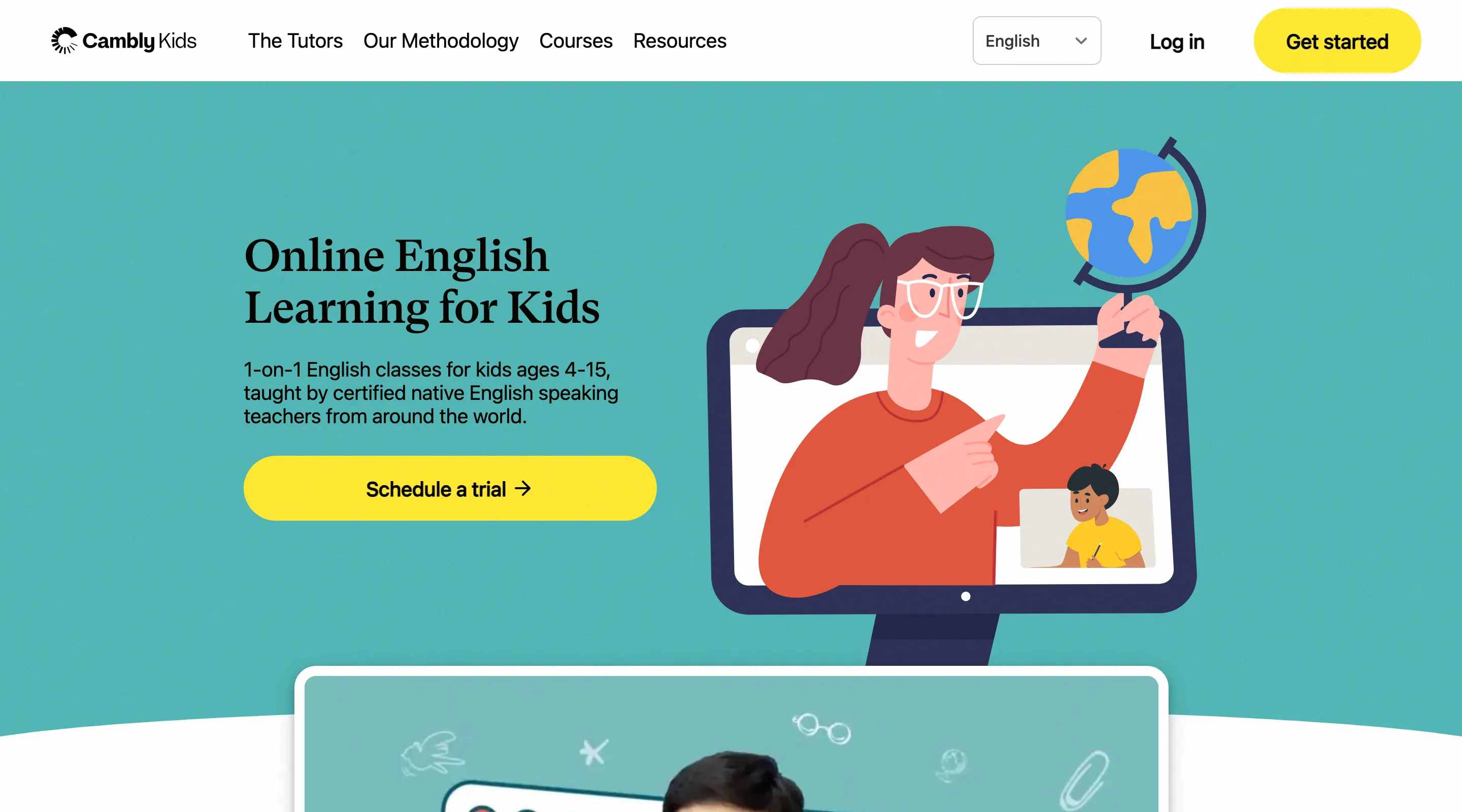
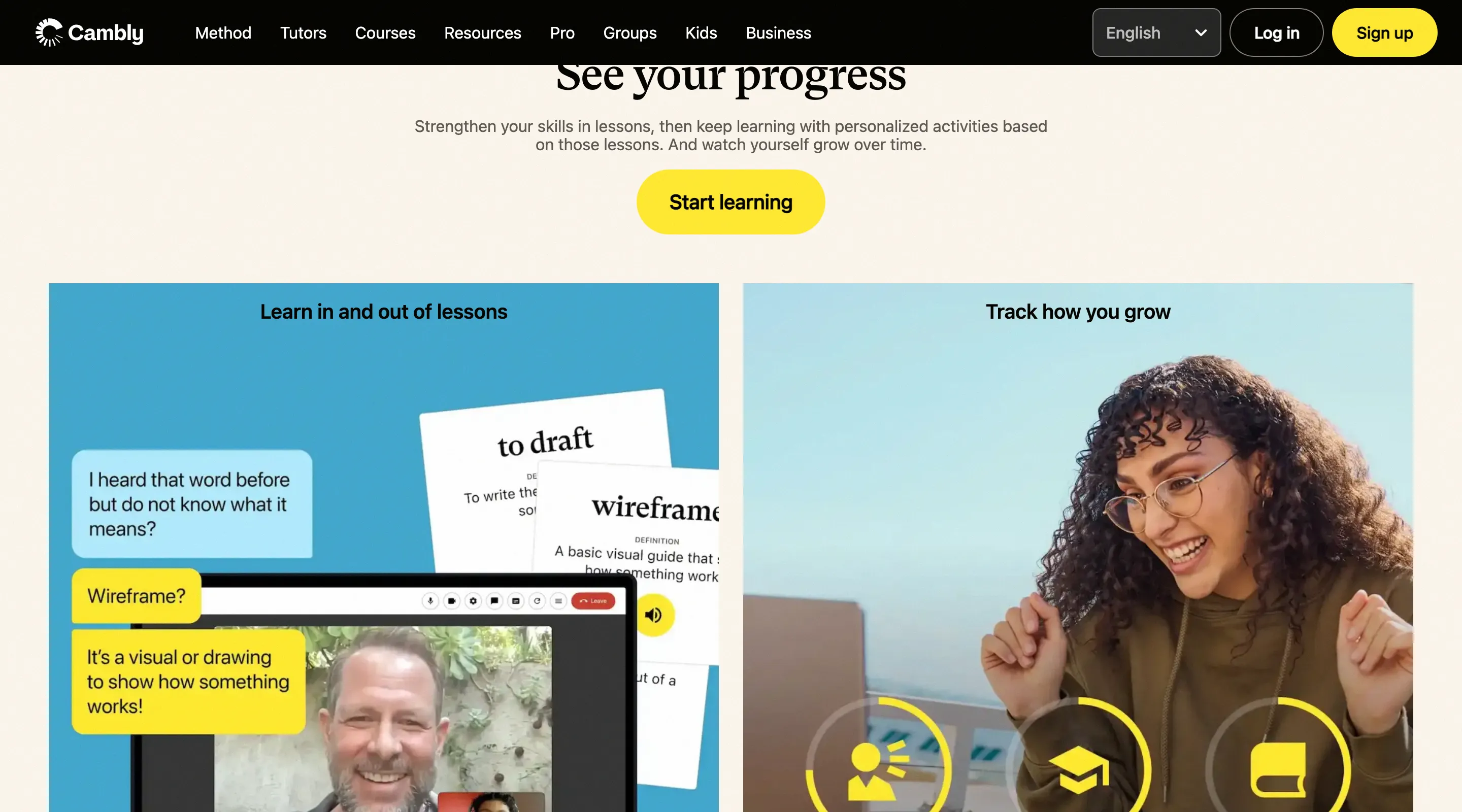
Cambly Kids pairs you with children aged 4 to 15 using a structured, colorful curriculum that Cambly provides. Lessons follow pre-made slide decks that guide the conversation and keep younger learners engaged.
Cambly Group places you with two or three students simultaneously for a shared session. Group classes follow specific course materials and typically focus on discussion topics designed to encourage peer interaction.
Each product pays at a different rate, and the teaching experience shifts dramatically between adult conversation partners and young children working through structured slides.
Cambly Requirements and Eligibility
The barrier to entry is remarkably low. You need to be a native English speaker, at least 18, and have a computer with a webcam.
Getting accepted to Cambly is straightforward compared to nearly every other online ESL teaching platform. The requirements are minimal by industry standards.
Nationality and Language
You must be a native English speaker from one of seven eligible countries. Those are the United States, Canada, United Kingdom, Ireland, Australia, New Zealand, and South Africa.
Non-native speakers aren’t eligible regardless of fluency level or test scores. Cambly verifies nationality during the application review process.
Education and Certification
No college degree is required. No TEFL, TESOL, CELTA, or any other English teaching certification is necessary either.
This is the single biggest differentiator between Cambly and platforms like VIPKid, EF Education First, or Qkids, which all require at least a bachelor’s degree. If you want to teach English online but lack formal credentials, Cambly is one of the few legitimate options out there.
Technical Requirements
You need a computer or laptop with a functioning webcam and microphone. Tablets and smartphones technically work but create a poor experience for students, and Cambly recommends against them.
A stable internet connection with at least 10 Mbps download speed is essential. Video calls drop when bandwidth fluctuates, and students will leave negative feedback if your connection causes repeated freezes or audio glitches.
Good lighting matters more than most new tutors realize. Students need to see your face clearly to follow lip movements and facial expressions, both of which help language learners process what you’re saying.
Age Requirement
You must be at least 18 years old to create a tutor account on Cambly.
The Cambly Application Process
The whole process takes about 20 to 30 minutes and involves five steps:
- Create a tutor account with your email
- Fill out your profile with a headshot and bio
- Record a two-minute introduction video
- Pass an automated equipment and internet check
- Wait for Cambly to review and approve your application
Approval can happen within hours, though some tutors report waiting up to a week.
Step 1: Create Your Tutor Account
Visit the Cambly tutor sign-up page and register with your email address. You’ll select your native language and country of residence during this initial registration.
Step 2: Complete Your Profile
Fill in your profile with a clear headshot, a brief bio describing your interests and teaching style, and any relevant experience. Think of it as a resume for conversation skills since it’s what students see when deciding whether to book you.
List specific topics you enjoy discussing, such as travel, business, technology, or exam preparation. Students search by interest tags, and a detailed profile boosts your visibility in search results.
Step 3: Record Your Introduction Video
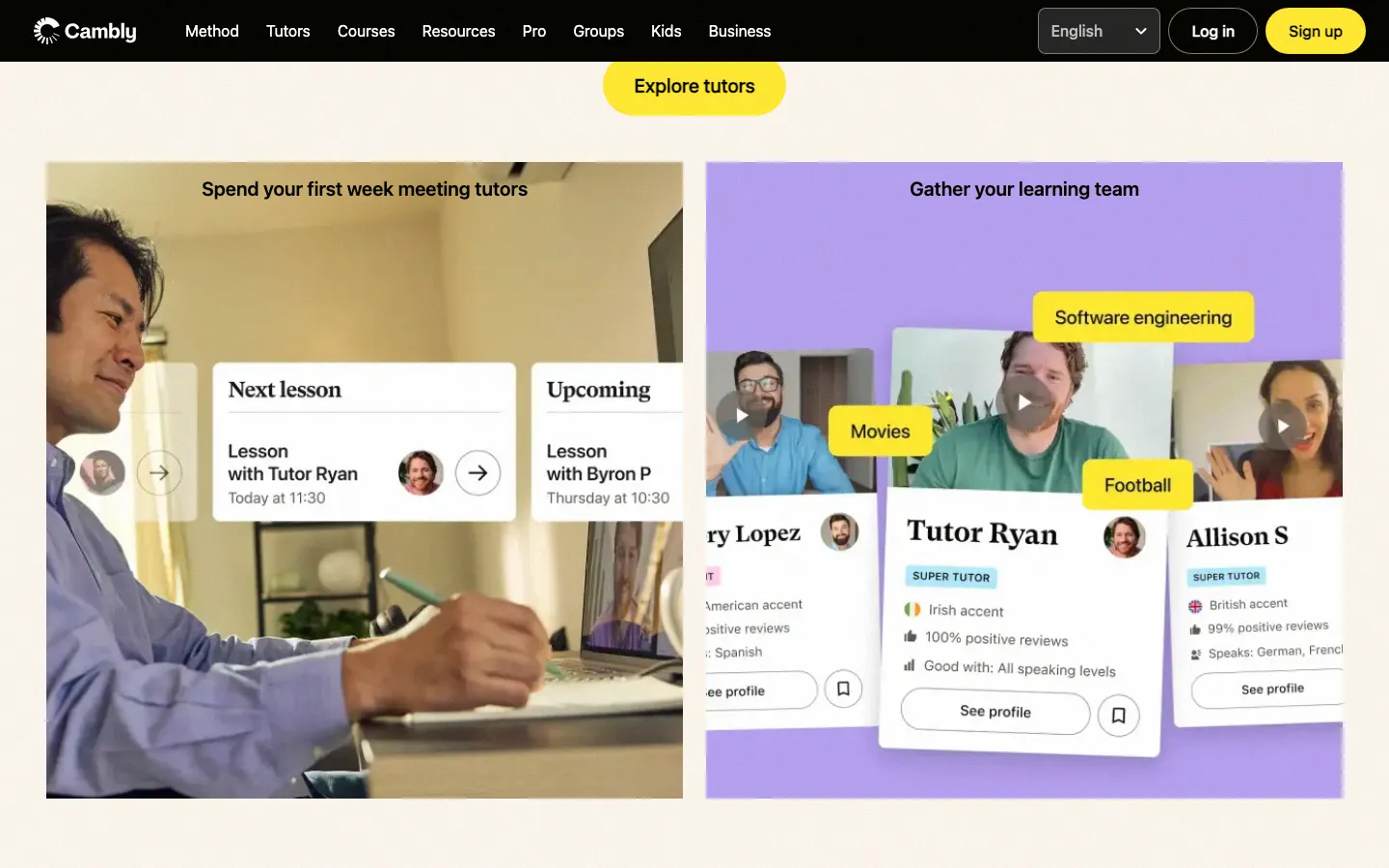
Cambly requires a two-minute introduction video where you speak naturally on camera. This video serves two purposes: it proves you’re a native speaker with clear pronunciation, and it gives prospective students a preview of your personality and speaking style.
Speak clearly at a moderate pace, smile naturally, and mention what types of conversations you enjoy. Skip anything scripted or overly formal since the platform values approachable, conversational tutors.
Step 4: Pass the Equipment Check
Cambly runs an automated test of your camera quality, microphone audio, and internet connection speed. This happens within the platform interface and takes less than two minutes.
If your equipment fails the check, you’ll get specific feedback about what needs improvement before you can proceed.
Step 5: Wait for Review
After submitting your application, the Cambly team reviews your profile and introduction video. Some applicants hear back within 12 hours, while others wait three to five days during busy periods.
There’s no formal interview, no demo lesson requirement, and no background check beyond confirming your nationality and age. The entire process is self-service until the final review stage.
How Much Does Cambly Actually Pay?
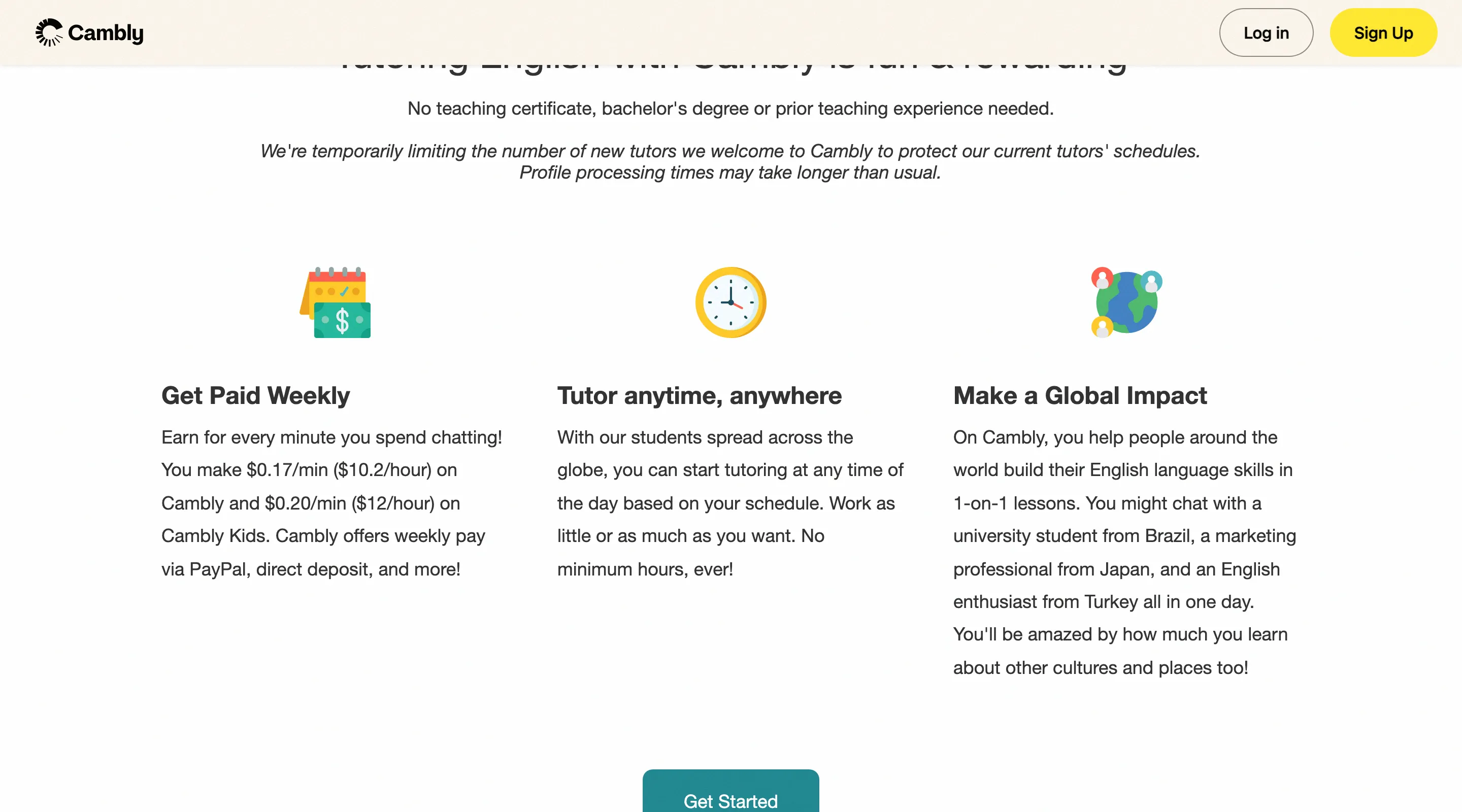
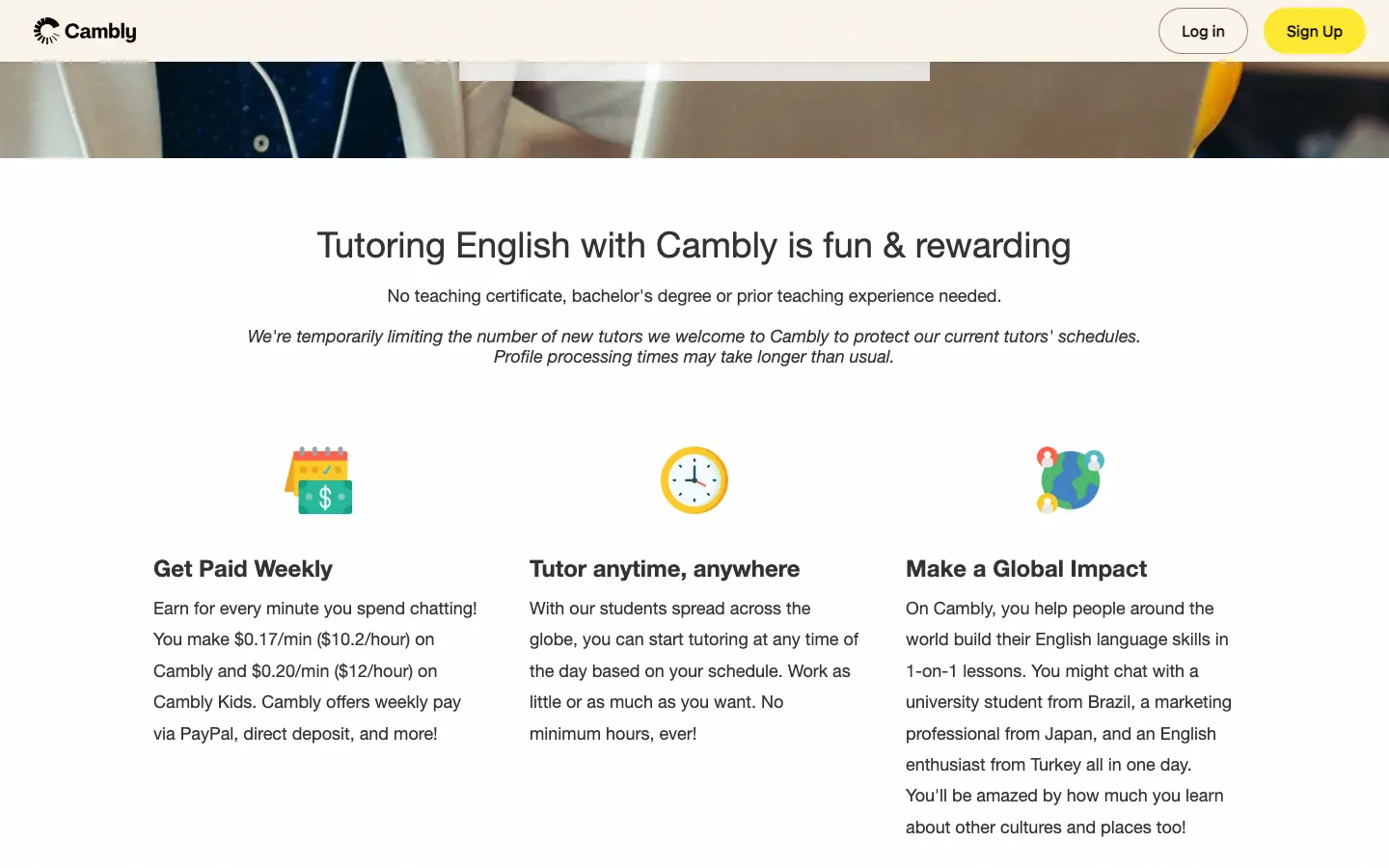
Cambly pays a flat rate of $10.20 per hour for adult sessions and $12 per hour for Cambly Kids, with no raises based on experience or performance.
Pay is the most discussed and debated aspect of tutoring on Cambly, and for good reason. The rates are transparent but lower than most competing platforms.
Standard Pay Rates
| Service | Per-Minute Rate | Hourly Equivalent |
|---|---|---|
| Cambly (Adults) | $0.17/min | $10.20/hr |
| Cambly Kids | $0.20/min | $12.00/hr |
| Cambly Group | $0.17/min | $10.20/hr |
These rates are fixed for all tutors regardless of experience, qualifications, or time on the platform. A first-day tutor earns the same per minute as someone who’s completed 5,000 sessions.
No bonuses, no tiered pay increases, no performance incentives beyond the base per-minute rate. What you see in that table is exactly what you earn.
Payment Schedule and Method
Cambly pays every Monday via PayPal for the previous week’s sessions. There’s no minimum payout threshold, so even if you only taught one 15-minute session that week, you still get paid the following Monday.
That weekly payment cycle is faster than most online tutoring platforms, which typically run on monthly or bi-monthly schedules. If you’re using tutoring as supplemental income, getting paid weekly makes a real difference for cash flow.
Realistic Monthly Earnings Breakdown
Raw hourly rates don’t tell the full story. Your actual monthly income depends on how many hours you work and how consistently students book your available time slots.
| Weekly Hours | Monthly Hours | Monthly Earnings (Standard) | Monthly Earnings (Kids) |
|---|---|---|---|
| 5 hours | 20 hours | $204 | $240 |
| 10 hours | 40 hours | $408 | $480 |
| 15 hours | 60 hours | $612 | $720 |
| 20 hours | 80 hours | $816 | $960 |
| 30 hours | 120 hours | $1,224 | $1,440 |
These figures assume every scheduled hour is filled with active student sessions. In reality, you’ll experience downtime between calls, no-show students, and quiet stretches where demand drops.
Most tutors report that 60 to 80 percent of their scheduled availability converts to paid minutes.
So a tutor scheduling 20 hours per week realistically earns closer to $650 to $750 monthly rather than the theoretical $816.
How Earnings Change Over Time
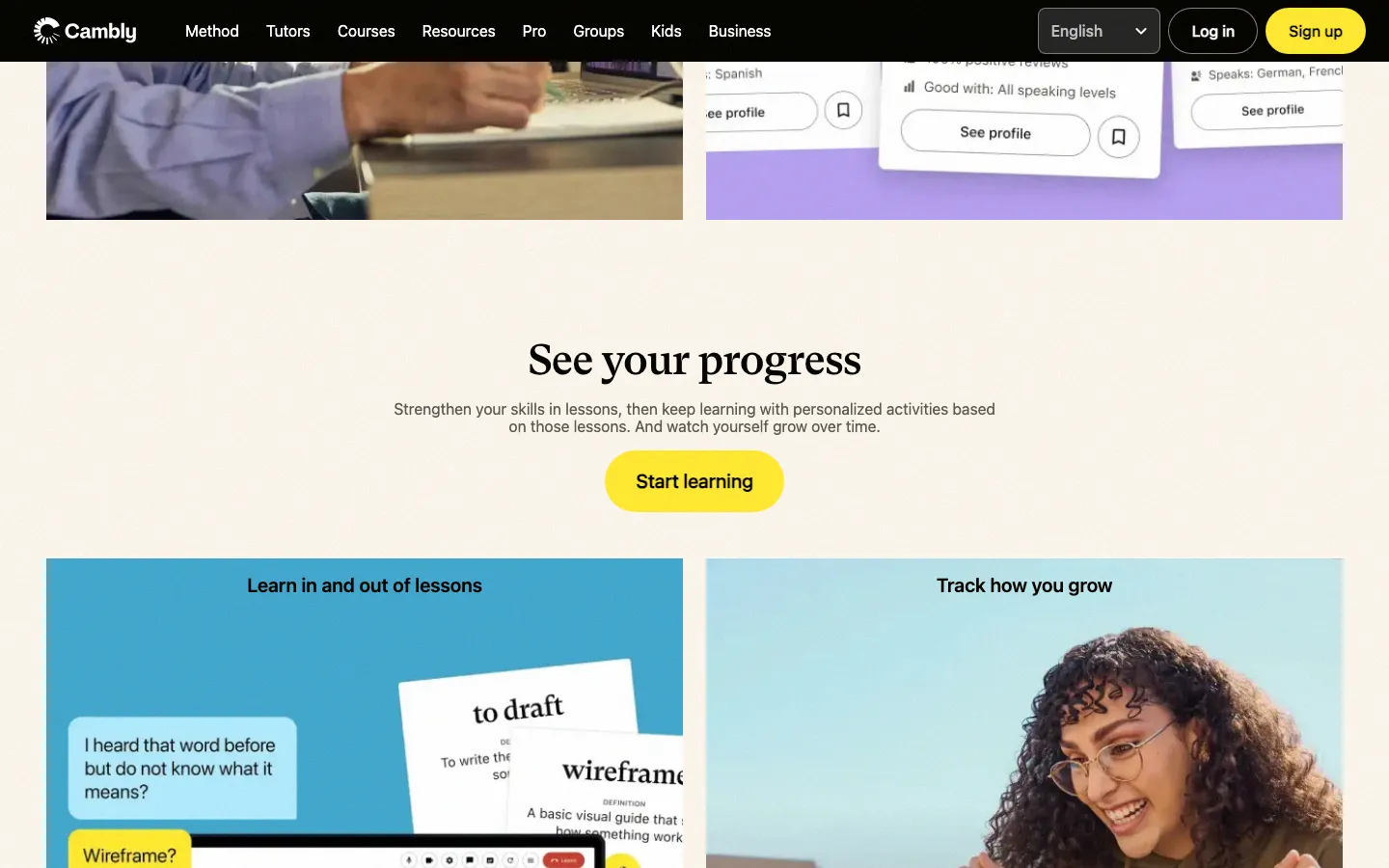
New tutors typically earn the least during their first month because their profiles lack ratings and regular students haven’t found them yet. Most report pulling in 40 to 60 percent of their theoretical maximum during weeks one through four.
By month two or three, tutors who consistently show up during high-demand slots and actively build reservations see their utilization climb to 70 to 85 percent. That’s when Cambly starts feeling like a predictable income source rather than a gamble.
Seasonal patterns affect earnings too. January through March tends to produce higher student demand as New Year resolution learners flood the platform.
Summer months in the Northern Hemisphere sometimes see dips as students travel or cut back on study time. Knowing these rhythms helps you set realistic monthly targets instead of getting frustrated by natural fluctuations.
Tax Considerations
Cambly classifies tutors as independent contractors, not employees. You’ll receive a 1099 form at tax time if you earn over $600 annually, and you’re responsible for paying self-employment taxes on your Cambly income.
In the United States, self-employment tax adds roughly 15.3 percent on top of your regular income tax bracket. Setting aside 25 to 30 percent of your Cambly earnings for taxes prevents unpleasant surprises during filing season.
What Is Cambly’s Effective Hourly Rate After Taxes?
After self-employment taxes, Cambly’s $10.20 per hour drops to roughly $7.65 to $8.15 for most tutors in the 12 to 22 percent federal income tax bracket. That’s the real take-home number to compare against other remote work options.
Factor in unpaid downtime between sessions (most tutors convert only 60 to 80 percent of scheduled time into paid minutes), and the effective rate drops further. A tutor scheduling 20 hours but getting paid for 15 effectively earns around $5.75 to $6.10 per scheduled hour after taxes.
What Teaching on Cambly Actually Feels Like
Put simply, it feels like getting paid to have casual video conversations with people from around the world.
Understanding the daily experience matters just as much as knowing the pay rate. The platform culture is nothing like formal classroom teaching.
Scheduling and Flexibility
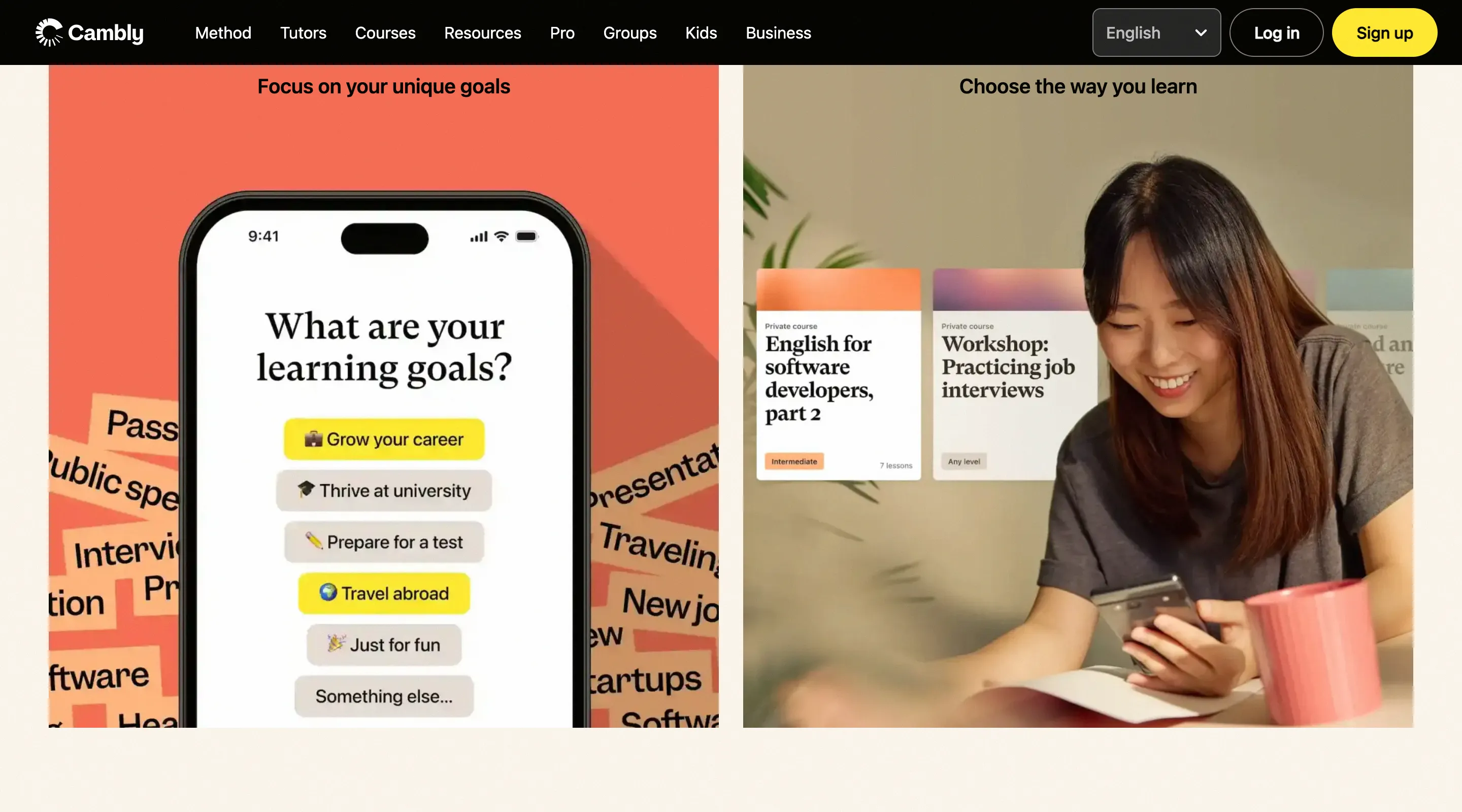
Cambly gives you two ways to connect with students. You can set a weekly schedule with specific available time slots, or you can just go online whenever you feel like chatting and wait for students to find you.
Priority Hours are pre-set time slots that Cambly marks as high-demand periods based on student activity patterns. When you commit to Priority Hours, you appear higher in student search results and get more incoming calls during those windows.
Reservations happen when a specific student books a recurring session with you at a set time each week. Building a base of reservation students gives you predictable income and cuts downtime between calls.
The flexibility is real. You can teach at 3am or 3pm, work five days one week and zero the next, and cancel scheduled hours with at least 12 hours notice without penalty.
Types of Conversations
Most sessions on standard Cambly are unstructured, freeform conversations. Students want to practice spoken English about their daily lives, discuss current events, or just chat with a native speaker to build listening confidence.
Some show up with specific goals like preparing for IELTS, TOEFL, or Cambridge exams. Others need help with business English for workplace presentations or job interviews.
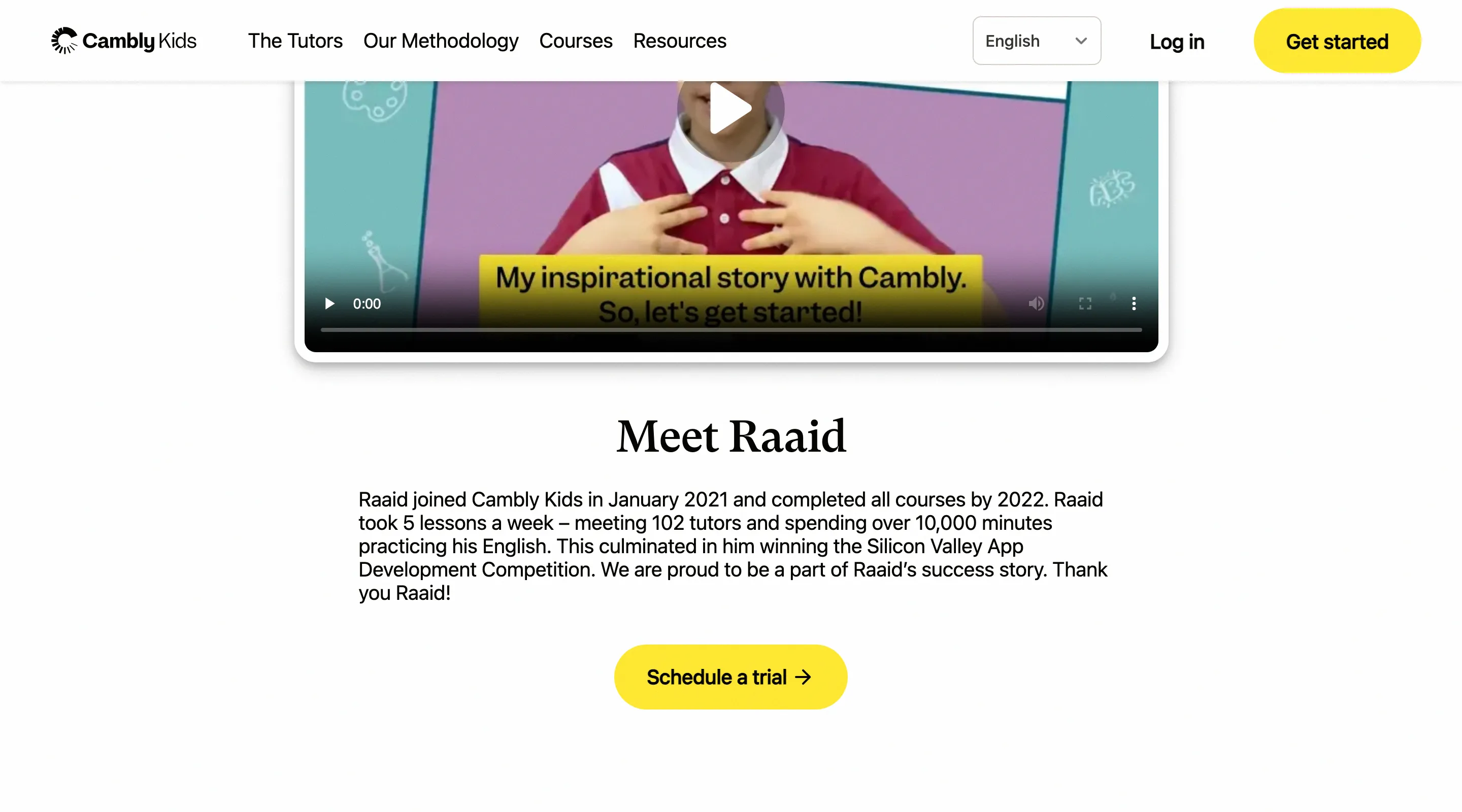
Cambly Kids sessions follow a completely different format. You share your screen and work through pre-made lesson slides covering vocabulary, pronunciation, reading comprehension, and basic grammar through games and activities.
Student Demographics
Students come from every continent, with particularly high concentrations from Turkey, Saudi Arabia, Brazil, South Korea, Japan, and China. Time zones matter because student demand peaks during evening hours in these regions.
Teach during North American daytime hours and you’ll connect primarily with Middle Eastern and European students. Switch to evening and nighttime hours and you’ll see more Asian and South American learners.
Understanding these patterns helps you schedule availability during peak demand windows, which directly translates to fewer empty time slots and higher monthly earnings.
Platform Interface and Tools
The teaching interface is clean and functional without being feature-rich. You see your student on video, a text chat panel for typing words they can’t hear clearly, a whiteboard for sketching or writing, and a translation tool powered by Google Translate.
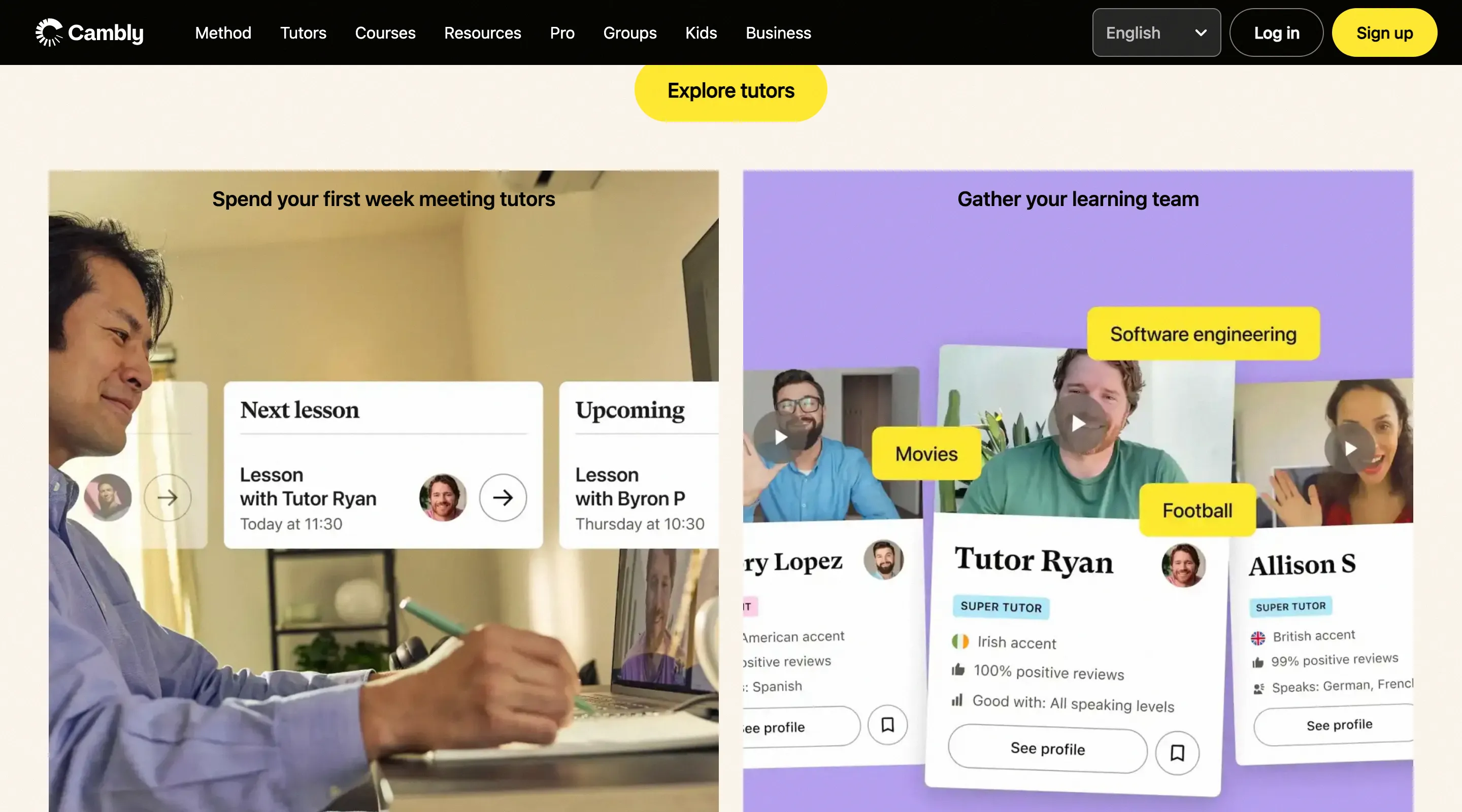
Cambly provides no formal lesson plans for adult sessions. If a student shows up with no conversation topic in mind, you need to drive the interaction yourself.
Experienced tutors keep a mental list of discussion starters and topic cards bookmarked for quiet students.
For Cambly Kids, the platform provides all lesson materials. You just share your screen and follow the curriculum slides step by step.
The Rating and Feedback System
After every session, students rate their experience on a five-star scale and can leave written comments visible only to you and the Cambly team. Your average rating appears on your public profile and directly influences how often new students choose to book with you.
Staying above 4.7 stars keeps you competitive in search results. Drop below 4.5 and your profile sinks in rankings, which means fewer incoming calls during non-Priority Hours.
The rating system creates a self-reinforcing cycle. Tutors with high ratings attract more students, which gives them more practice and generates even higher ratings.
New tutors without any ratings face an initial disadvantage but can climb quickly with consistent performance during their first 20 to 30 sessions.
Cambly won’t terminate you for low ratings alone, but consistently poor reviews can trigger a review from the platform team. Showing up on time, staying professional, and taking genuine interest in your students keeps your numbers healthy.
Handling Difficult Sessions
Not every session goes smoothly. Some students arrive with zero English ability and can’t communicate even basic needs.
Others multitask during calls, checking their phones or typing emails while you try to hold a conversation. A few book sessions with no real intention of speaking and just want someone to listen.
Experienced tutors develop strategies for each scenario. For near-zero English students, the translation chat becomes essential for bridging communication gaps.
Type simple questions, let them use the translation tool, and focus on basic vocabulary repetition rather than attempting complex conversation.
For distracted students, gentle redirection works better than confrontation. Ask direct questions that pull their focus back.
If they keep ignoring the session, you still earn your per-minute rate regardless of their engagement level.
For the rare inappropriate or uncomfortable interaction, Cambly lets you end any session immediately without penalty. The platform takes student conduct violations seriously and will ban students reported for harassment or abuse.
Connection Issues and Technical Problems
Internet instability creates the most frustrating Cambly experience for both tutors and students. When your connection drops mid-session, the student may leave and your paid minutes stop accumulating.
Wired ethernet connections outperform WiFi for session stability. If you rely on WiFi, position your computer near the router and avoid scheduling sessions during peak household bandwidth usage like video streaming or gaming.
Cambly doesn’t compensate tutors for lost minutes due to technical problems on either side. If a student’s connection drops repeatedly, the session might end early and you only get paid for the minutes that actually happened.
Cambly vs. Cambly Kids: Which Should You Choose?
Plenty of tutors wonder whether focusing on Kids sessions or sticking with adult conversation practice makes more financial sense. The answer depends on your personality, patience level, and scheduling preferences.
Pay Comparison
Cambly Kids pays $12 per hour compared to $10.20 for standard adult sessions. That gap adds up faster than you’d expect.
A tutor working 15 hours weekly on Kids earns $180 per week versus $153 for standard sessions, which comes out to over $1,400 extra per year.
Lesson Structure Differences
Adult sessions are freeform conversations with minimal preparation. You chat, listen, correct when it feels natural, and keep the discussion flowing.
Kids sessions require following a curriculum. You share slides, play pronunciation games, read stories together, and manage the energy of children who may not want to sit still for 30 minutes.
It demands more active engagement and patience than casual adult conversations.
Student Behavior
Adult students choose to be on Cambly and generally show up motivated to practice. Kids are often placed on the platform by parents, and their enthusiasm varies wildly.
Some children are excited language learners while others stare silently at the camera or flat-out refuse to participate.
Keeping a disengaged 6-year-old engaged through a 30-minute lesson takes a completely different skill set than chatting with a motivated professional about their weekend.
Long-Term Earning Potential
Kids sessions fill faster because the structured curriculum appeals to parents who want measurable progress for their children. Tutors who build strong profiles on the Kids side tend to rack up more recurring reservations, leading to more predictable weekly income.
That said, adult tutors who specialize in exam preparation or business English can also build loyal student bases. The key is developing a niche that keeps students coming back to you rather than rotating through random tutors.
Honest Pros and Cons of Tutoring on Cambly
The biggest upside is unmatched schedule flexibility with zero qualifications needed. The biggest downside is a below-average hourly rate with no path to raises.
After digging through real tutor reviews across Glassdoor, Indeed, Reddit, and Trustpilot, clear patterns emerge about what works and what doesn’t.
Pros
| Advantage | Details |
|---|---|
| Zero qualification barriers | No degree, no TEFL, no experience needed |
| Complete schedule flexibility | Work any hours, any days, cancel without penalty |
| Weekly payments | Paid every Monday via PayPal, no minimum threshold |
| No lesson preparation | Adult sessions require zero planning or curriculum design |
| Global student base | Students from 130+ countries provide varied conversations |
| Low-pressure environment | Focus on conversation, not formal teaching outcomes |
Cons
| Disadvantage | Details |
|---|---|
| Below-market pay rate | $10.20/hr is lower than most competing platforms |
| No pay increases | No raises regardless of experience or tenure |
| Unpredictable demand | Quiet periods mean scheduled hours go unfilled |
| Student no-shows | Booked students sometimes disappear without joining |
| No benefits | Independent contractor status means no insurance, PTO, or retirement |
| Large tutor pool | High competition for limited student demand in off-peak hours |
The number one complaint across review platforms is the pay rate. Tutors consistently say that $10.20 per hour feels low for the value they bring, especially after factoring in self-employment taxes and unpaid gaps between sessions.
The number one praise? Schedule freedom. Tutors who need flexibility above everything else, whether they’re parents of young children, digital nomads, or managing health conditions, consistently say the schedule control is worth the lower pay.
What Real Tutors Say About Cambly
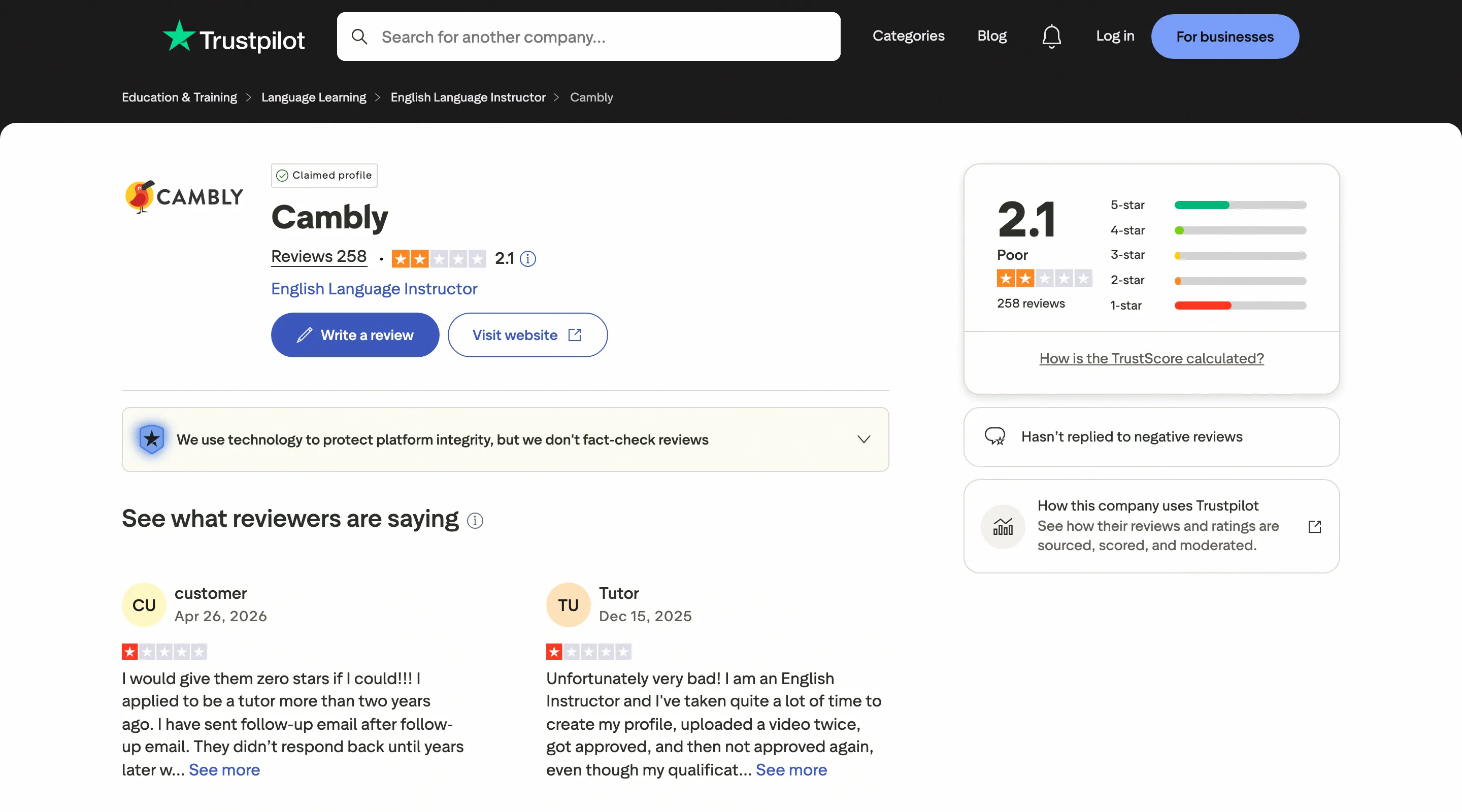
Across major review sites, Cambly averages around 3.3 out of 5 stars from tutors, with flexibility praised and low pay consistently criticized.
Knowing the aggregate reputation helps set expectations before you invest time building a profile and student base.
Review Platform Ratings
| Platform | Rating | Number of Reviews |
|---|---|---|
| Glassdoor | 3.4 / 5 | 450+ reviews |
| Indeed | 3.3 / 5 | 520+ reviews |
| Trustpilot | 2.1 / 5 | 260+ reviews |
The Trustpilot score skews heavily negative because dissatisfied students and tutors are far more likely to leave reviews there. Glassdoor and Indeed ratings come exclusively from people who’ve actually worked as Cambly tutors, which paints a more balanced picture.
Common Themes in Positive Reviews
Tutors who rate Cambly favorably keep highlighting the same things. Schedule flexibility lets them work around other commitments, and the low-pressure atmosphere makes sessions feel enjoyable rather than stressful.
Meeting people from dozens of different cultures creates genuinely interesting conversations that many tutors describe as the most rewarding part of the whole experience.
Positive reviewers almost always frame Cambly as excellent supplemental income rather than a primary career. When expectations line up with reality, satisfaction runs high.
Common Themes in Negative Reviews
Negative reviews cluster around three issues. The pay feels inadequate for the skill and energy required, and having zero path toward raises makes long-term commitment feel pointless.
Inconsistent student demand means scheduled hours sometimes produce zero income, which stings when you’ve blocked off time specifically for Cambly.
Some tutors also mention feeling undervalued when students treat sessions casually, showing up late, multitasking during calls, or disconnecting without a word. The platform has limited tools to address those behaviors.
Reddit Community Perspective
The r/Cambly subreddit and various ESL teaching forums offer unfiltered tutor opinions. One theme comes up again and again: Cambly works beautifully for a specific type of person but falls apart as a primary income source.
Tutors who thrive here tend to share certain traits. They genuinely enjoy conversation, they have other income streams, they prioritize flexibility over earning potential, and they walked in with realistic expectations about the hourly rate.
Strategies to Maximize Your Cambly Earnings
The gap between a tutor earning $200 monthly and one earning $800 on the same platform comes down to strategy, not talent.
Optimize Your Profile for Discoverability
Students browse tutor profiles before booking, and a compelling profile with a professional headshot, an engaging introduction video, and specific listed interests pulls in far more clicks than a generic one.
Mention concrete topics you enjoy discussing. Instead of writing “I like talking about everything,” try “I love discussing technology trends, travel planning, career development, and cooking.” That kind of specificity attracts students searching for those exact interests.
Build Recurring Reservation Students
One-off sessions with random students create unpredictable income. Recurring reservations with the same students every week create a reliable baseline.
After a good session, tell the student you’d love to chat again next week and encourage them to set a recurring reservation. Locking in just five to eight regular weekly students can guarantee 5 to 10 hours of paid sessions before you even open your schedule for walk-in calls.
Use Priority Hours Strategically
Priority Hours are golden windows where Cambly boosts your visibility in student search results. Committing to Priority Hours during peak demand times, which typically line up with evening hours in the Middle East, Europe, and East Asia, dramatically increases your call volume.
Pay attention to which Priority Hour slots consistently fill with students in your time zone. Some are oversaturated with tutors while others have genuine demand that exceeds supply.
Specialize in High-Demand Topics
Tutors who list IELTS preparation, TOEFL coaching, business English, or job interview practice as specialties attract students with specific goals. These students book longer sessions, return weekly, and keep their subscriptions active for months rather than weeks.
If you have any background in business, academia, or professional communication, lean into that experience in your profile. Students preparing for English exams will seek you out specifically.
Teach Both Adults and Kids
Spreading your time across standard Cambly and Cambly Kids maximizes your available student pool. When adult demand drops during certain hours, Kids sessions can fill the gap, and vice versa.
The $1.80 per hour premium on Kids sessions compounds in a meaningful way over months of consistent teaching.
Manage Your Energy and Avoid Burnout
Teaching conversational English sounds effortless until you do it for five straight hours. Active listening, constant encouragement, filling awkward silences, and repeating yourself for students who can’t follow your normal pace all drain mental energy faster than most people expect.
Build breaks into your schedule rather than stacking hours back to back. Thirty minutes of downtime between two-hour teaching blocks helps you maintain the kind of genuine enthusiasm that students notice and appreciate.
Set a realistic weekly cap that keeps your energy up and prevents Cambly from turning into a chore. Tutors who push past their comfort zone often see their ratings slip because exhaustion bleeds into their tone during late-session interactions.
Common Mistakes New Cambly Tutors Make
The most damaging mistakes involve picking the wrong time slots, writing a generic profile, and expecting immediate steady income.
Avoiding these pitfalls during your first month speeds up your path to consistent earnings and solid reviews.
Setting Unrealistic Income Expectations
The top reason tutors quit Cambly within the first 60 days is expecting immediate, steady income on par with a part-time job. The platform requires patience during the profile-building phase when almost no students know you exist.
Your first two weeks might only generate $30 to $80 depending on how many hours you schedule and which time slots you pick. Things ramp up as ratings accumulate and students start booking you regularly.
Choosing Poor Time Slots
Scheduling availability during low-demand hours means sitting online with no calls coming in. North American afternoon hours between 1pm and 5pm EST tend to produce the weakest call volume because primary student markets in Asia and the Middle East are sleeping.
Peak demand windows shift by season, but the 6am to 10am EST block and the 6pm to midnight EST block typically bring the most student activity. Test various slots during your first week and track which ones actually produce paid minutes.
Creating a Generic Profile
Profiles that say “I enjoy helping people learn English” attract almost nobody because every tutor on the platform could write that exact sentence. Specificity drives bookings.
Describe your actual personality, hobbies, and conversation preferences. Something like “I spent three years living in Tokyo and love discussing Japanese food, technology startups, and rock climbing” gives students a concrete reason to pick you over hundreds of other available tutors.
Ignoring the Introduction Video
Some tutors record their introduction video in poor lighting with tinny audio and a blank wall behind them. That video is the single most influential factor in whether a browsing student clicks “book” or scrolls right past you.
Spend 30 minutes recording a polished introduction with natural lighting, genuine smiles, and mentions of two or three topics you love discussing. Re-record until it captures your best conversational self.
Failing to Encourage Reservations
Walk-in calls provide sporadic income while reservations provide reliable weekly income. The gap between struggling tutors and thriving ones almost always comes down to reservation count.
At the end of enjoyable sessions, tell the student you’d love to keep meeting weekly and show them how to set a recurring reservation. This one habit can double your monthly earnings within two months of consistent effort.
How Cambly Compares to Traditional Part-Time Work
Here’s what matters: Cambly pays less per hour than many alternatives, but eliminates commute costs, dress codes, and rigid scheduling.
When you’re weighing whether Cambly’s $10.20 per hour rate makes sense, comparing it against typical part-time alternatives adds useful perspective.
Versus Retail or Food Service
Minimum wage part-time jobs at retail stores or restaurants pay $7.25 to $15 per hour depending on your state. Cambly’s $10.20 falls within that range but comes without the commute, dress code, or face-to-face customer conflicts.
The flexibility gap is massive, though. A retail shift locks you into a set location during fixed hours, often with schedules that change week to week.
Cambly lets you earn during those same hours from your couch without asking anyone for time off.
Versus Freelance Writing or Virtual Assistance
Freelance writing pays $15 to $50 per hour for experienced writers, while virtual assistance typically falls between $12 and $30 hourly. Both pay more than Cambly but demand specific skills, portfolio building, and active client hustle.
Cambly asks nothing beyond the ability to speak English naturally. The zero-preparation, zero-marketing aspect saves all those unpaid hours freelancers spend pitching, revising, and managing client relationships.
Versus Gig Economy Driving
DoorDash, Uber, and similar gig platforms advertise $15 to $25 per hour, but those numbers include vehicle wear, gas costs, and dead time waiting for orders. Net earnings after expenses often land between $10 and $15, putting Cambly in comparable territory without needing a car, insurance, or any physical effort.
The work-from-your-desk factor is hard to overstate. Cambly earnings arrive without leaving your chair, changing clothes, or spending a cent on gas.
The Flexibility Premium
Cambly’s pay rate starts making more sense when you account for the hidden costs of traditional part-time work. Commute time, wardrobe requirements, schedule rigidity, and physical exhaustion all chip away at the effective value of higher-paying alternatives.
For people whose main constraint is flexibility rather than maximum hourly pay, Cambly’s $10.20 per hour delivers more usable income per unit of life disruption than most jobs that require showing up somewhere.
Cambly Compared to Other Online Tutoring Platforms
Among no-degree-required ESL platforms, Cambly offers the lowest barrier to entry but also one of the lowest fixed pay rates. Platforms like Preply and iTalki pay more but require self-marketing.
Cambly isn’t the only option for native English speakers who want to teach English online. Knowing how it stacks up against alternatives helps you decide where to put your time.
Platform Comparison Table
| Platform | Pay Rate | Degree Required | TEFL Required | Set Your Rate | Student Source |
|---|---|---|---|---|---|
| Cambly | $10.20/hr | No | No | No | Platform assigns |
| Cambly Kids | $12.00/hr | No | No | No | Platform assigns |
| Preply | $15-50/hr | No | No | Yes | You set price |
| iTalki | $10-40/hr | No | No | Yes | You set price |
| EF Education First | $12-18/hr | Yes | Preferred | No | Platform assigns |
| Palfish | $10-22/hr | No | Preferred | Partial | Platform assigns |
| Engoo | $8-12/hr | No | No | No | Platform assigns |
Preply
Preply lets you set your own hourly rate and keep between 67 and 100 percent of it depending on whether students find you organically or through platform promotion. New tutors typically start at $15 to $20 per hour and bump rates up as positive reviews roll in.
The trade-off is significantly more competition and the need to market yourself actively. Preply won’t send students your way automatically the way Cambly does during Priority Hours, so building your own student base through profile optimization and competitive pricing is on you.
iTalki
iTalki runs a similar model to Preply with tutor-set pricing and a marketplace structure. Rates for native English community tutors typically range from $12 to $25 per hour, with professional teachers charging $25 to $50 or higher.
The platform takes a 15 percent cut on all sessions. You handle your own scheduling, lesson planning, and student communication entirely on your own.
EF Education First
EF pays $12 to $18 per hour but requires a bachelor’s degree and prefers TEFL certification. Lessons follow a structured curriculum with pre-made materials, making sessions more predictable but less flexible than Cambly’s freeform conversations.
The higher pay and structured format suit tutors who prefer guided teaching over casual chat. The degree requirement rules out a lot of potential applicants, though.
Palfish
Palfish primarily targets Chinese students learning English and pays between $10 and $22 per hour depending on session type and tutor qualifications. The platform runs mainly through a mobile app and has faced instability due to regulatory shifts in the Chinese education market.
That regulatory uncertainty makes Palfish riskier as a primary income platform compared to Cambly’s more diversified global student base.
Engoo
Engoo pays $8 to $12 per hour depending on tutor tier and requires no formal qualifications. The platform focuses on Japanese and Korean students and uses a structured lesson system with pre-made materials for every session.
Pay is lower than Cambly for most tutors, but the structured format means zero improvisation. Every session follows a lesson plan that Engoo provides, which appeals to tutors who aren’t comfortable with open-ended conversation.
Which Platform Should You Choose?
If you have no degree and no certifications, Cambly and iTalki are your strongest bets. Cambly demands less self-marketing while iTalki offers higher earning potential for tutors willing to build their own brand.
Got a bachelor’s degree or TEFL certificate? Platforms like EF Education First and Preply will likely pay you more per hour than Cambly. Those credentials open doors that stay shut on Cambly’s flat-rate system.
If schedule flexibility is your absolute top priority and you want the easiest path to teach English online for money, Cambly is still the best fit. Nothing else matches its combination of zero requirements and instant scheduling freedom.
A lot of tutors end up working across two or three platforms at the same time to diversify income and guard against demand dips on any single one. Starting with Cambly while building profiles on iTalki or Preply creates a safety net that grows more valuable over time.
Who Should Actually Sign Up for Cambly in 2026
The short answer is that Cambly works best for people who prioritize scheduling freedom over maximizing hourly pay. If flexibility is your top requirement, it’s hard to beat.
Figuring out which camp you fall into before investing time in the application saves a lot of frustration.
Cambly Is Ideal For
College students who need flexible income around unpredictable class schedules. You can teach between lectures, during summer breaks, or late at night without asking anyone for time off.
Stay-at-home parents who want supplemental income during nap times or after kids go to bed. Being able to open your schedule for just one or two hours on random days fits the chaos of parenting perfectly.
Digital nomads who work remotely and want location-independent income that functions anywhere with decent WiFi. Cambly works from any country as long as your IP doesn’t conflict with their geolocation restrictions.
Retirees who want mental stimulation, social connection, and modest extra income without committing to a traditional part-time job. The conversational sessions provide genuine human interaction alongside payment.
People between jobs who need immediate income while searching for permanent employment. The fast application process and weekly payments offer quick financial relief without any long-term lock-in.
Cambly Is Not Ideal For
Anyone seeking a living wage should look elsewhere. At $10.20 per hour before taxes with no benefits, Cambly can’t replace traditional employment for people who need stable income to cover rent, insurance, and daily expenses.
Qualified teachers with degrees and certifications are leaving money on the table by choosing Cambly over platforms that reward their credentials. A TEFL-certified tutor earning $10.20 here could pull $18 to $25 on Preply or EF Education First.
People who dislike small talk will find standard Cambly sessions draining. Most conversations revolve around everyday topics like weather, weekend plans, hobbies, and travel, and if that sounds tedious rather than fun, the platform will feel like a grind.
Anyone expecting consistent full-time hours will be frustrated by demand swings. Call volume shifts by season, time of day, and factors completely outside your control, so building reliable 40-hour weeks on Cambly alone isn’t realistic for most tutors.
Is Cambly Legitimate and Safe?
Yes. Cambly is a legitimate, venture-backed company that’s operated continuously since 2012, raising over $60 million from investors including Y Combinator.
Tutors consistently receive weekly PayPal payments without issue. Payments process automatically every Monday and hit your account within hours.
The only “scam” angle some tutors bring up is feeling that $10.20 per hour doesn’t match the effort involved. That’s a fair criticism of the pay rate, but it’s not evidence of shady business practices.
Your personal information stays secure within the platform. Students see only your first name, profile photo, and introduction video.
Your email, phone number, and payment details are never shared with students or anyone else.
Cambly also records every session automatically as protection for both tutors and students in case of disputes or inappropriate behavior. You can access your own recordings through your tutor dashboard.
The platform follows standard data privacy regulations and lets you request deletion of your account and associated data at any time. Former tutors report no issues with data handling after leaving.
How Cambly’s Pay Compares to Other ESL Platforms by the Numbers
Looking at raw dollars per hour only tells part of the story. The real comparison involves factoring in how each platform handles student acquisition, lesson prep time, and income predictability.
Cambly’s $10.20 per hour is a gross rate with zero unpaid prep work. You open your schedule, students appear, and you talk.
Compare that to Preply where many tutors spend 30 to 60 minutes preparing custom lesson materials for each student. If a Preply tutor charges $20 per hour but spends 30 minutes preparing, their effective rate drops to around $13.30 per hour of total time invested.
iTalki tutors face a similar hidden cost. Setting your own rate sounds appealing until you account for the 15 percent platform commission plus the time spent marketing yourself, responding to trial lesson requests, and chasing leads who never book.
Cambly eliminates all of those invisible costs. Your effective hourly rate stays at $10.20 because the platform handles student acquisition entirely.
For tutors who value simplicity and time efficiency, that gap between advertised rates and actual rates matters more than most people realize.
The weekly PayPal payout also deserves a second look. Most competing platforms pay monthly or bi-monthly, which means you’re effectively lending the company your earned wages for weeks at a time.
Cambly’s Monday-to-Monday cycle keeps cash flowing at a pace that supports people who rely on tutoring income for weekly expenses.
Getting Started: Your First Week on Cambly
If you decide Cambly’s a good fit, here’s what the first week typically looks like for new tutors.
Days 1 to 2: Complete your application, record your introduction video, and pass the equipment check. Set up your profile with detailed interests, a professional photo, and an engaging bio.
Days 3 to 4: Open your schedule for a few Priority Hour slots during peak demand times. Take whatever calls come in and focus on getting comfortable with the platform interface.
Days 5 to 7: Look at which time slots brought in the most calls. Shift your schedule toward those high-demand windows. Ask satisfied students to set recurring reservations with you.
The first week will probably feel slow since your profile is brand new with no reviews. Expect call volume to pick up gradually over the first two to four weeks as ratings build and regulars start locking in your slots.
Week 2 to 4: Call volume should start climbing as your first ratings appear. Focus on showing up at the same hours each week so returning students can find you at predictable times.
Month 2 onward: By now you’ll know which slots produce calls, which students you enjoy, and whether Cambly fits your life. This is when successful tutors stop experimenting and start optimizing.
Track your earnings weekly in a simple spreadsheet. Comparing scheduled hours against actual paid minutes reveals your true utilization rate and highlights the most profitable windows over time.
If you’re exploring other ways to earn online while building your Cambly student base, consider browsing our full list of online English teaching jobs that pay higher rates for certified tutors. For non-teaching options with similar flexibility, check out the best online side hustles that work well alongside a Cambly schedule.
People who prefer quiet, independent work over live conversation might also find side hustles for introverts more aligned with their energy levels. And if you want to compare Cambly’s tutoring model against a subject-specific platform, our Chegg Tutors review covers a popular alternative.

Jason is a personal finance expert and the founder of Frugal For Less. He has spent over a decade researching and testing hundreds of money-making apps, survey sites, and savings strategies to help readers earn more and keep more of their hard-earned cash.
More about the author →
Want to learn how to make an extra $1,000 per month?
Download our free guide with:
- 10 Side Hustles to Make $1,000/month
- Worksheet for setting money making goals
- Resource List to help you succeed


